Strength Through Diversity – Celebrating Harmony Day 2016

In music the definition of ‘harmony’ is: the combination of different musical notes played or sung at the same time to produce a pleasing sound; a pleasing combination or arrangement of different things (Merriam Webster dictionary 2016).

When we think about Harmony Day these very same musical principles come in to play. It’s about different people and different lives coming together and being embraced. It’s about finding a sense of belonging. And like all different musical instruments and singing, when we come together we can do beautiful things!

Harmony Day 2016 is Monday 21 March and this year’s official theme is: our diversity is our strength. Encourage children to talk about their differences, what they have in common and what makes them special as individuals. Help them to understand that it is because they are different that they can each bring something unique and awesome to the table.

At Bonkers Beat we have chosen our own theme for Harmony Day that is closely related: Harmony Every Day. We want to celebrate our diverse and wonderful Bonkers Beat community.

If you’re thinking of celebrating Harmony Day this year in your centre, education is the key in an early childhood setting. Here are some things you could incorporate, as found on the Harmony Day website:

-Explore Harmony Day stories via the Harmony Day app

-Create some DIY Harmony Day materials via the official templates here

– Painting to music: Listen to a diversity of music styles and paint what you hear with different colours and brushstrokes.

-All the same: What things make us the same?

-Diverse mates: Find out the many ways in which your classmates are diverse eg hobbies, favourite colour/food/music/TV program, things they dislike.

Here are some of our own provocations for thinking and possibilities for learning:

-Share educators’ ethnic backgrounds and by using a pin or string connect to countries on a map

-Identify children families’ backgrounds and by using a pin or string connect to countries on a map

-Invite families to share their traditions and culture

-Introduce a variety of songs and dances from around the world

-Engage children in multicultural cooking experiences

-Use multicultural dolls and gender diverse dolls for dramatic play

Have you registered your Harmony Day event yet? It can be anything from a morning tea to a massive community event! Register and you’ll get some great free promotional products to help you celebrate: harmony.gov.au/celebrate/register

One last thing: click here for a special gift for you centred around belonging and togetherness from Bonkers the Monkey.

Go Purple for Epilepsy Awareness

March is Epilepsy Awareness Month, so we are all encouraged to show our support by wearing the international epilepsy awareness colour: purple.

The idea is to break down the stigma around epilepsy and talk about it. Learn what it is, what it means and show understanding to those who live with seizures.

The official Purple Day is March 26. This date falls on the Saturday during the Easter break this year, but you can get behind Epilepsy Awareness Month by encouraging children to wear purple any time throughout March.

It’s a good time to talk about the different health issues people live with. Discuss how we might not be able to see those health issues at a glance, but how they can affect people’s lives. Promote sensitivity and understanding, and highlight the importance of supporting one another.

Here’s a little bit of info about epilepsy to help us understand the nature of it and its prevalence:

“Epilepsy is a common brain disorder which takes the form of recurring seizures. It can develop at any age, regardless of gender or ethnicity. An estimated 65 million worldwide currently live with epilepsy – in Australia alone approximately 250,000 people live with epilepsy and one in 25 people will have epilepsy at some point in their life.” (Epilepsy Australia)

So pick a day, to GO PURPLE this month! You’ll be helping to raise awareness for epilepsy and support those affected by it. It’s really simple to host a Purple Day fundraiser at your centre too, so click here to find out more.

Together we can help shape the way a generation understands health issues like epilepsy and create networks of knowledge and support.

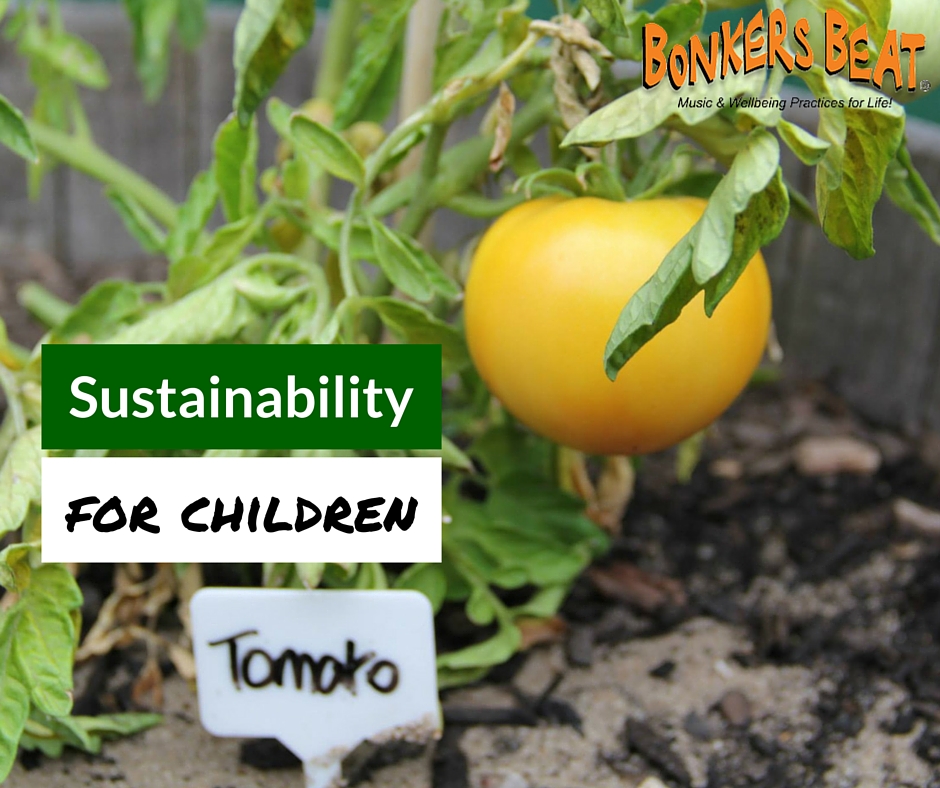
Sustainability in 3 Steps to Help Clean Up Australia

We are all striving towards creating the ultimate learning environment for young children. But what about the bigger picture? Making sure we take care of the environment in a broader sense is crucial, as is teaching the next generation about the importance of keeping the planet healthy.

Sustainability isn’t a buzzword – it’s the key to a happy, healthy future for us all. So how do educators and children make a difference? Our environmental sustainability program is a big part of the Bonkers Beat philosophy and practice. We understand the importance of looking after our planet and work together to raise awareness of the environment and a sense of connection to the natural world. Clean Up Australia Day is coming up on 6 March (Schools Clean Up Day, 4 March) and this is a good starting point to open up a discussion with children about the environment.

Encourage Sustainability in Three Steps

We’ve identified a three step pathway to showing children how they can make a different to the planet and the future:

  • Respect

If we can first encourage children to respect the environment and nature, we have made a good start. One of the easiest ways of doing this is through growing, cooking and eating. Once children see firsthand that nature is providing yummy food for them with just a little bit of care, they tend to look at a garden from a new perspective.
Practical Tip: Children should be taught care for plants and nature through activities like planting, watering plants, pruning, harvesting/picking and cooking.

  • Responsibility

Working from a basis of respect for the environment, children and staff can demonstrate their respect for their environment by becoming socially responsible. Promote awareness of wastage when it comes to water, electricity, paper and recyclable materials.
Practical Tip: Time handwashing, use compost bins, grow vegetables, fruit and herbs, maximise the use of natural light, minimise the use of heating and cooling.

  • The three R’s – Reduce, Reuse and Recycle

These three R’s are practical reminders that we can apply to almost anything in life. If children have some paper we want them to think: can it be reused or recycled? They deserve to know that off-cuts of used scrap paper can be turned into tissues, newspapers, kitty litter and moulded cartons for eggs and fruit. We want them to opt for a reusable snack box rather than plastic wrappings, and to understand the impact of littering on animals and the world.
Practical Tip: Read more about how to action the three R’s – Reduce, Reuse, and Recycle – here.

Explaining sustainability to children can be tricky. The simple explanation we always use: it is just ‘Enough for Everyone for Ever’.

At Bonkers Beat we believe it is our responsibility to be role models and teach children to:

-learn about the environment
-develop skills to investigate and solve issues in the environment
-acquire attitudes of care and concern for the environment
-adopt behaviours and practices which protect the environment
-understand the principles of ecologically sustainable development

Remember, the upcoming annual event Clean Up Australia Day is on 6 March (Schools Clean Up Day 4 March)! Centres, you can register your Clean Up Day by clicking here. Alternatively, you might like to register to join an existing site clean up.

Here’s a sneak peak at our environmental sustainability program at the Bonkers Beat Music Kinder in Aspendale:

Inspire us by showing off images from your centre on our Facebook page, or Bonkers Beat members can share in the private My Bonkers Beat group.

P.S. As a loyal Bonkers Beat supporter, please enjoy this gift from Bonkers the Monkey – click here for your exclusive access to our song ‘Bonkers Rap’. A fun resource for talking about looking after the planet!


Collaboration Central to Success

As early childhood educators we are continually encouraging children to work together, to be team players, to participate. From sport and games through to discussions, active participation is our goal for them. Rightly so, as working together is a fantastic way to accomplish great things. It’s about time we all took our own advice!

Collaboration Is Central To Success

As human beings at all life stages we are presented with situations where collaboration is central to success. In early childhood education, teamwork can go a long way and is something that is central to the success of centres across the country.

The importance of your centre’s ability to work as a team is reflective of their capacity to bond with one another, support one another and inspire one another. These areas will only serve to increase motivation levels in your centre, reduce staff turnover and create the most positive environment possible for children’s learning and development.

TEAM: Together Everyone Achieves More

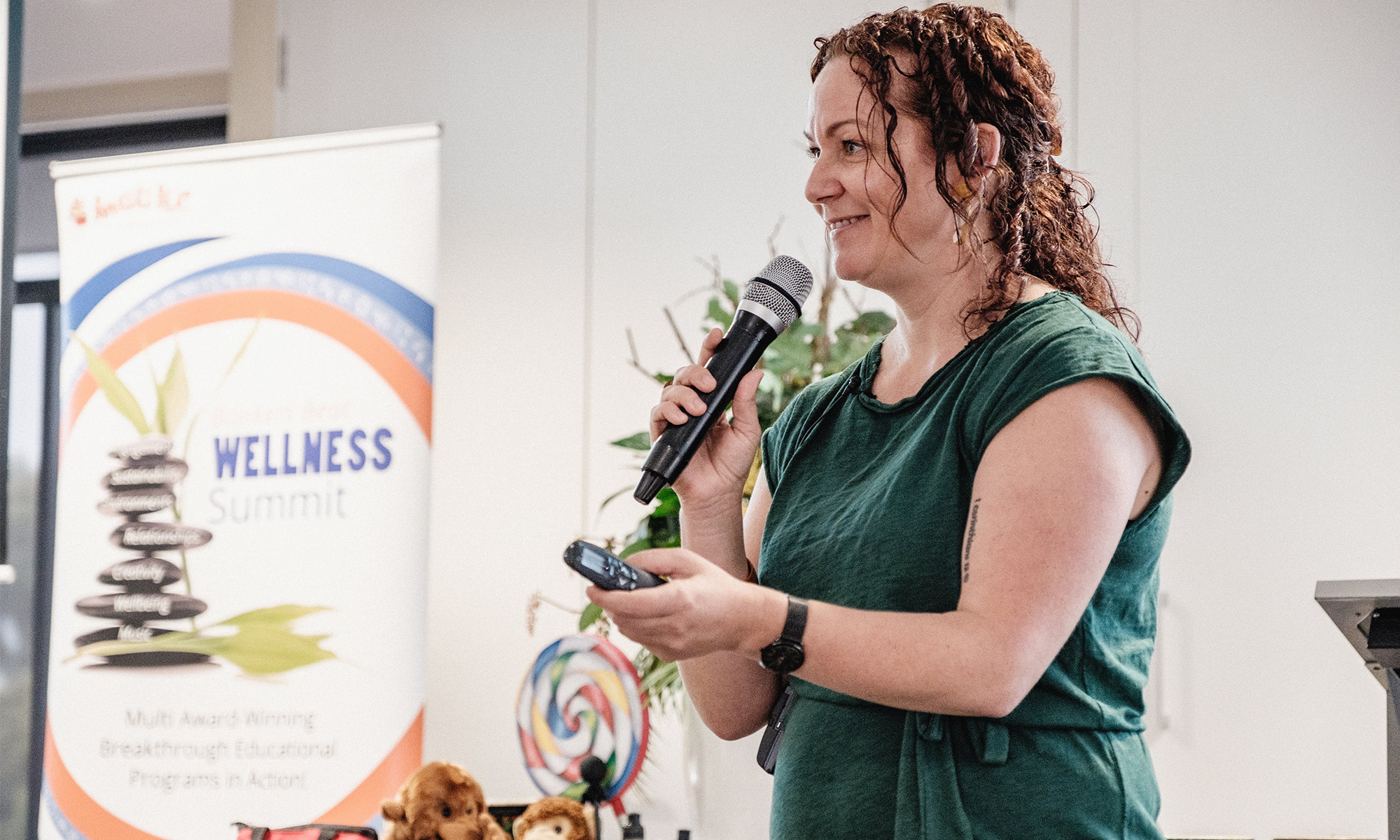
The upcoming Bonkers Beat Wellness Summits are committed to embracing and encouraging collaboration and professional development as a team. We have invited every single one of the members of staff from centres who have embedded our innovative Bonkers Beat music and/or wellbeing programs to come along. Imagine the things that these teams of incredible individuals will be able to accomplish when they come together, learn together and are inspired together. Best of all, everyone’s attendance is included in the Bonkers Beat program membership! No need to carefully select staff members who will be best at relaying the content of the event – they can all attend!

Of course, teamwork and participation isn’t just about attending early childhood professional development events – it can be worked on from within your centre through:

-Staff meetings
-Social events/dinners
-Group projects
-Collaboration across Rooms
-Working bees
-Staff retreats

We spend our days facilitating children’s participation, so why not make sure we encourage each other and work as a team too!


P.S: Click here to learn more about the breakthrough Bonkers Beat programs or register for our new format program

Facebook With Families – Social Media in Early Childhood Settings

Whether it’s to save paper or try a more interactive approach, more and more childcare centres and kinders are using online communications to keep in touch with parents.

While many in the early childhood field hold strong opinions about the use of iPads and computers for young children, this post is more interested in the use of Facebook for centre educators and management to keep in touch with families.

Facebook With Families

Plenty of early childhood educational services have Facebook business pages to publicise their centre, almost like an extension of their website. Other centres also have private ‘closed groups’ on Facebook. In these groups, only parents and immediate family members are accepted into the group to view the information posted. This information can be anything from reminders of upcoming events, to photos of children and everything in between. Parents can post questions that can then be answered by other parents or the centre’s staff. Sometimes parents may even post photos from an external occasion like a child’s birthday party, for example, to share with other families and the staff.

These closed groups can become an extension of the partnership between centres and families, and also facilitate bonding and communication between parents, and between staff and parents.

Plan It Carefully

The key is for it to be well managed. A plan or strategy can be helpful for a few reasons: make sure that there is activity in the group on a regular basis, ensure comments and questions are monitored and moderated in a timely fashion that the rules are adhered to.

What sort of rules, you may wonder? We recommend requesting that parents don’t save the images from Facebook that have other people’s children in them, but that they can make a request to have the image sent to them via email. We also advise that a consent form be signed by parents to allow images of their children to go on the Facebook group. Although it is private and can only be viewed by approved members, some parents may not want their children’s image posted for various reasons.

Pros and Cons

We are in favour of the use of Facebook Groups for centre, but here a few pros and cons we have identified in relation to private Facebook Group for you to consider:

PROS
-Increase communication between the centre and families
-Facilitate bonding between families
-Attract parent interest and increase participation
-Simple way to stay in regular contact with all families

CONS
-Potential privacy and confidentiality issues
-Takes some extra time for the educator/s and/or management to post and monitor

Does your centre use online methods to contact parents and families? What other pros and cons do you see when it comes to the use of private Facebook closed groups for centres? Have you had a particularly positive or negative experience with Facebook Groups as a parent, educator or management?

Join the discussion with us on Facebook.

Top 4 Ways To Mark Australia Day

Barbecues, beach, kangaroos, koalas… there are many things that people think of when they think of Australia. Why not incorporate some Aussie celebration into your centre around Australia Day 2016!

There are four fantastic elements to consider exploring with children to mark the occasion as Australia Day nears. We’ve even included some ideas for activities for educators and/or parents to try.

Four Meaningful Ways to Celebrate Australia Day with Children

Diversity

Australia Day is a great day to talk about diversity and multiculturalism – ask children what they know about Australia and all its unique people. Use this opportunity to discuss the fact that despite us all being so different in so many ways, we are all Australian and there is respect and a sense of belonging for everyone.


Geography

Break out the map of Australia and talk about the different areas across this huge country. Open children’s minds to the big, wide world – or in this case, the big, wide island that is Australia! Maps can be great fun to turn into an art project as children cover the country in different colours and textures – this further represents the diversity and uniqueness of the country and all its people.


Art

Speaking of art, what better way to go about celebrating Australia Day and its people than doing some beautiful cave drawings, inspired by Indigenous Australia. Handprints, finger-painting or dot art depicting kangaroos, boomerangs and the desert landscape can be insightful activities.


Music

The national anthem isn’t the only Aussie song we can break out to mark Australia Day… Kids might prefer the fun of singing classics like Kookaburra Sits in the Old Gum Tree or Home Among the Gum Trees (maybe just the chorus as it’s a long one!).


As always, we love to see everyone’s creative ways of incorporating the cultural calendar into your services – please do share your ideas and photos with us on Facebook.

These links are packed with resources to help you plan your Australia Day celebrations:

http://www.kidspot.com.au/kids-activities-and-games/australia-day+54.htm

http://www.fleetcare.com.au/news-info/news/fun-facts-about-australia-day.aspx

http://www.australiaday.org.au/events/


P.S.
Don’t forget to incorporate some Aussie food – lamingtons are always a winner!

Reflections and Resolutions

There’s nothing quite like a brand new year to start something new, set some resolutions and plan for success! Let’s not rush in too quickly though – first we should reflect on the year that was.

Here’s a video of the highlights of 2015 for the Bonkers Beat team:

While we note down those highlights as elements of 2015 that we’d like to replicate for 2016, it’s also important to reflect on things we could improve, things that need a fresh approach and things that were not worthwhile. This may include events, excursions, systems and procedures and many other areas. Ask questions: What worked? What needs to be tweaked? What caused us stress and how could we minimise that stress this time around?

Set yourselves up for success in 2016 by having this discussion about reflections and resolutions within your team, and perhaps even with your families, and find the lessons from 2015 that will help make this year even brighter and more successful!

On a final note as we reflect and look forward, we wish all 2015 kinder graduates a very special year as they begin their formal schooling! What an exciting time for many children and parents – the first day of school is a memory to be treasured for life and we are so proud of all the young children who are taking that next step in their educations this year.

Now, let’s get stuck into 2016! Keep up with us on Facebook and Twitter!

A Time to Be Thankful

Another year is almost over and while much has changed, it’s very clear that the importance of wellbeing at the heart of children’s education is a focus that is here to stay.

This can only be a positive thing, as we as educators, teachers, parents and human beings strive to nurture children’s wellbeing, build their resilience and teach them through the power of music.

For Bonkers Beat, 2015 has been spectacular – we’ve grown, we’ve learned and we’ve developed. We will continue to do all of these things, just as we all should. Of course, none of our success at Bonkers Beat would be possible without the early childhood education community and everyone’s dedication to the wellbeing of young people. For your commitment and passion, we say THANK YOU. Thank you to all of the Centres committed to the Bonkers Beat program and the parents. Thank you to all the attendees of our events. Thank you to the organisers of the conferences Galina was welcomed at and the participants.

We also send our best wishes to you all for a happy Christmas and New Year! At Bonkers Beat there is plenty we love about Christmas, but you won’t be surprised to learn that we find that there is something so special about the music surrounding this time of year! Everywhere you go there are those familiar songs and carols filling the air. Some of these songs take us back to childhood or remind us of a Christmas occasion from years ago, connecting us with the past.

With the exception of singing ‘Happy Birthday’ or the national anthem, we as a society probably don’t get together and sing with our families very often, but belting out Jingle Bells with your loved ones really does bring a smile to your face. And there’s science behind that – “Researchers have worked out that singing seems to produce the perfect mix of both calming and energising based on what it does to the brain” (Wendy Sadler, Science Made Simple) thanks to endorphins – the happiness chemicals produced by our bodies, and oxytocin – known as the love drug or cuddle hormone.

Whatever you love best about this time of year, we hope you enjoy it! As we push through this busy couple of weeks, reward yourself at the end of it all with good food, some extra rest, and plenty of special time with those you love most. Don’t forget to throw in a couple of Christmas carols for good measure!

We’ve collated a year of memories from our Bonkers Beat Music Kinder in a collage, so take a look on Facebook and if you have a special memory of Bonkers Beat in 2015, share it with us.

Our next blog will be at the end of January – our goal is to provide you with valuable resources for your journey in early childhood education or as parents, so please email us or get in touch on Facebook and give us your feedback, ideas and suggestions.

We can’t wait to see what 2016 has in store for us all and we wish you and your families nothing but laughter, light and love for Christmas and the New Year.

Three Cheers for our Teachers!!

World Teachers’ Day is a day that celebrates the efforts of teachers on a global scale, acknowledging the important contribution made to our community in an increasingly complex, multicultural and technological world. This year it is celebrated on Monday  5th of October.

Teachers go above and beyond the call of duty to make sure the next generation has the best start in life possible. All of us know a teacher from our past who shaped who we are today or who had a great influence in our careers. This is why World Teachers’ Day is about appreciating the teachers in our lives. From the beginning at childcare, kindergarten, primary through to secondary and beyond, all are equally important and have a crucial role in shaping and guiding our children.

Here is a little list of why teachers are great

  1. Teachers don’t accept failure. They try every angle and every strategy to help students learn and succeed.
  2. Teachers care. Teachers love every student in their class, even the ones that make themselves hard to love, and sometimes especially the ones that are hard to love.
  3. Teachers are fabulous communicators. They love to talk and listen to students, to other teachers, and parents. They choose their words wisely and can say anything with a smile and a positive spin.
  4. Teachers are adaptable. They can change a lesson or an entire class in a moment’s notice, which comes in handy when the fire drill or unplanned assembly interrupts.
  5. Teachers are positive. They know the work is challenging, but they’ve accepted the task and know they can be an amazing teacher because their attitude is great and no one can tell them they can’t do something.
  6. Teachers work hard. They don’t show up and sit behind a desk. They stand all day, talk all day, think all day, interact all day, and learn all day. The corporate world may not get it, but teachers are busy people. Returning emails and phone calls are luxuries our days may not afford. But the important stuff – the teaching – that’s getting done.
  7. Teachers are creative. The hallway, the playground, and the even the lunchroom are places where important lessons and connections take place.
  8. Teachers are always thinking about teaching. They plan, they research, and they think about lessons all the time. They write down lesson ideas on cocktail napkins or receipts when they think of something great to include in an upcoming unit.
  9. Teachers are resourceful. They know how to make the most of a lesson with no money, no supplies and little time.
  10. Teachers don’t take teaching lightly. They’ve been trained in a field with few tangible rewards. The emotional rewards of teaching? The satisfaction of teaching? Those are so great it makes up for everything else and then some. The joys of teaching can be so overwhelming that they know it’s one of the greatest professions on Earth.

So, go and tell the teacher in your life how much you appreciate them and how valued they are.


To read the full list visit here:-

http://teaching.monster.com/careers/articles/7666-15-reasons-teachers-are-great

For more information about World Teachers’ Day:-

http://www.worldteachersday.org/map/index.php/main

Craft and present ideas for teachers:-

https://www.parentmap.com/article/15-homemade-gifts-that-kids-can-make-for-teachers

Celebrating the Fathers and Special Men in Our Lives

Today’s young fathers spend more time with their children each day – talking, playing and teaching them – than fathers of just one generation ago. This is fantastic news; with our lives busier than ever, our children still need strong, present role models in their lives.

We take Fathers Day to acknowledge the important role that fathers, grandfathers, uncles and special male influences play in the lives of their children; as role models, care givers, providers, protectors, supporters, friends, and the myriad other roles that men play in the lives of women and children.

Fathers are often overlooked and not as celebrated as mothers however, recent research shows just how important it is for children to spend quality one on one time with fathers or other males.

For boys Ian Grant, parenting expert and author of Growing Great Boys, believes the role of a father in his son’s life is crucial and that dads can never be too involved with their sons. “Boys whose dads are involved with them from a young age do better in lots of ways — academically, emotionally and socially,” says Grant. “Well-fathered boys show the positive effects years later with an improved capacity for empathy and the health of their social relationships. You have to do whatever it takes to be there for your kids.”

Fathers have been given a tremendous ability to influence the lives of their daughters.  Girls need to wrestle, rough house and spend quality one on one time with their fathers, or male figures to build confidence both physically and mentally.  This boosts their self-esteem, self-image and how they see themselves in the world. University of Oxford researchers noted that girls who had more involved fathers were less likely to face mental health problems later in life. Genuine praise and admiration from a father can help his daughter grow up to be an independent, confident woman.  There is no denying the fact that a healthy relationship between a daughter and a father can produce amazing results in his daughter’s life.

How to celebrate Fathers Day? Well, everybody loves a hand made craft item or a card. There are lots of simple, fun and inexpensive ideas on the Internet.  Special photos, some lovely words and a funny gift always make Dads smile.  Another way to celebrate is to spend the day together as a family. Simple pleasures like walking on the beach, a day trip to the snow, park or forest, a coffee at a favourite café and of course breakfast in bed. Because, let’s face it Dads are wonderful and special and deserve a day of celebration.

We believe that poetry is a great way to celebrate… So enjoy a poem written by Galina – ‘My Daddy’:

https://musicearlychildhoodpresenter.com/wp-content/uploads/2015/08/My-Daddy-by-Galina.pdf

Craft ideas for Fathers Day – https://www.pinterest.com/diamondkandace/crafts-for-father-s-day/

Martha Stewart Craft ideas- http://www.marthastewart.com/274629/fathers-day-crafts-for-kids/@center/307033/spring-holidays

Ways to spend the day as a family – http://miamiinstyletv.com/top-10-fun-ways-to-spend-fathers-day-as-a-family/

Article on the importance of children spending quality time with Fathers – http://www.ahaparenting.com/blog/Fathers-Day

The importance of father/ daughter relationships – http://www.sheknows.com/parenting/articles/821928/the-importance-of-the-father-daughter-relationship

The importance of father/ son relationships – http://everydaylife.globalpost.com/importance-father-son-relationships-23229.html

Powered by WishList Member - Membership Software