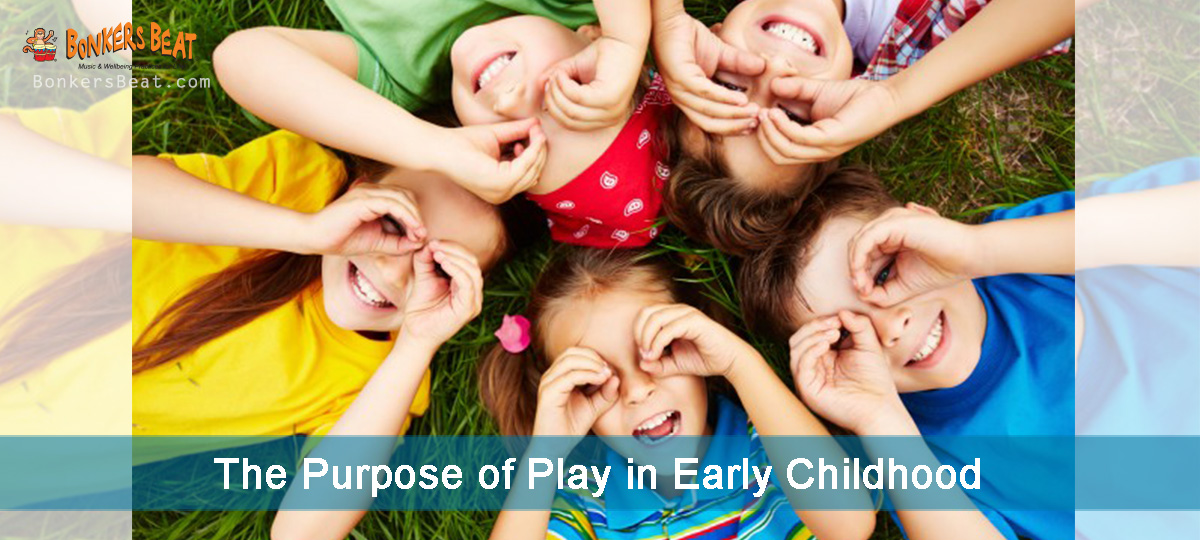
The Purpose of Play in Early Childhood

play-based learning

When we try to think of something happy, children playing is often one of the first things that comes to mind. The simple idea of children playing and laughing epitomises joy. That’s pretty powerful. Even more than just happiness, play and play-based learning are essential to any early childhood pedagogy. Let’s go back to basics and explore.

What is ‘play’?

To get us started with our discussion on the topic, let’s look at the meaning of the word play.

Merriam-Webster dictionary defines play as: recreational activity; especially the spontaneous activity of children.

Look up play in the Oxford Dictionary and is says: Engage in activity for enjoyment and recreation rather than a serious or practical purpose.

Adding to the above, there are several definitions that expand on the above. Early Childhood Australia (ECA) outlines some of these various meanings for us:

-pleasurable-play is an enjoyable and pleasurable activity. Play sometimes includes frustrations, challenges and fears; however enjoyment is a key feature

-symbolic-play is often pretend, it has a ‘what if?’ quality. The play has meaning to the player that is often not evident to the educator

-active-play requires action, either physical, verbal or mental engagement with materials, people, ideas or the environment

-voluntary-play is freely chosen. However, players can also be invited or prompted to play

-process oriented-play is a means unto itself and players may not have an end or goal in sight

What is play-based learning?

Play-based learning is just that – learning that is based in play. But let’s not oversimplify it as it is a research-based approach that has a lot of thought behind it.

The Early Years Learning Framework for Australia describes play-based learning as “a context for learning through which children organise and make sense of their social worlds, as they engage actively with people, objects and representations”.

The benefits of play-based learning

We love that play-based learning works with children’s interests while opening children up to a range of learning experiences.

These learning experiences can be related to so many areas of importance, including:

-Wellbeing

-Relationships with others

-Negotiation and conflict resolution

-Problem solving

-Curiosity

-Creativity

The benefits of play-based learning have been studied extensively, with many researchers finding that children learn best in child-directed settings accompanied by adults.

Of course, it’s up to educators to gently direct children’s play by providing stimuli and activities that will bring about the intended learning. This is where intentional teaching is so important. That is, educators being purposeful and thoughtful about how a centre’s program and learning outcomes are approached.

Let’s not forget about documentation either. Documentation is a vital element of play-based learning and in fact all learning within an early childhood setting if we are to have any chance of meaningful reflection about our curriculum and learning outcomes.

Creating positive early childhood programs

-A play-based approach is best for optimal learning

-Your play program should be child-led by educator-guided and well planned

-Provide children with an early childhood program that takes a holistic approach

-Focus on the learning outcomes and intentional teaching in all that you do as an educator

-Learning – and especially play-based learning – should always be fun so keep it light and enjoyable

-Don’t forget about documentation and following each child’s unique learning journey through play



People photograph designed by Pressfoto – Freepik.com

A day of professional development for your ENTIRE team

professional development to your entire team

Each and every centre running the Bonkers Beat Music and Wellbeing programs gets the opportunity to attend two exclusive Wellness Summits each year. The Wellness Summits take place in summer and winter, plus we run them in each state so no one misses out or has to travel interstate.

Professional development delivered to your entire team

It’s not just the management or team leaders that are invited to head along – the Wellness Summits deliver a day of exclusive professional development to your entire team!

As if that’s not enough, the Summits feature guest speakers who are ready to share with you and your team, enlightening you on a range of different topics and unique approaches to grow your knowledge on various aspects of early childhood education.

Not to be confused with the recent (and fantastic!) Wellness Works! Early Childhood Leaders Conference, which was a ticketed event, the Wellness Summits are only open to centres with membership to the Bonkers Beat Music and Wellbeing program.

For all centres running Bonkers Beat within their curriculum, the Wellness Summit is a 1-day event for your entire team to attend together with NO additional costs, fees, tickets – it’s all included in the Bonkers Beat membership!

The Winter Wellness Summit will travel across Australia over August and September with all participating centres attending.

The event features:

-Reggio Emilia expert Kerrie O’Neill from Early Childhood Hub

-Wellbeing expert

-Managing behaviour with music and games

-Learning enhancing strategies

-A practical and informative session on setting up systems in your centre

-MUCH MORE!

To all the Bonkers Beat members, we cannot WAIT to see you there!

If this innovative, practical and cost-effective professional development day sounds like something you and your team would like to be involved in, feel free to send us an email to info@bonkersbeat.com to find out the many benefits of being part of the Bonkers Beat family.

Overcoming High Staff Turnover in Centres

high staff turnover in centres

When it comes to the first five years, we know how important this time is in a child’s development.

Genetics play a role in this foundation-laying period in children’s lives, along with other influencing factors like nutrition, environment and relationships. With many children spending time in childcare centres or kindergartens during these early years, early childhood educators can have a notable impact on their lives – now and into the future.

In this blog we will focus on relationships and high staff turnover in centres. A recent survey conducted by Queensland University of Technology discovered that of 1,200 childcare workers across Australia, 1 in 5 plan to leave their job within the space of a year.

The research leader Professor Karen Thorpe spoke with the ABC, saying: “[The children] are losing people they’re attached to and that’s not good for children’s learning or emotional and social development.”

Children’s bonds with educators

Children have various bonds with different educators and can also be creatures of habit – they tend to like routine and seeing familiar faced, so when an educator they are used to seeing is no longer around it can cause distress.

Children deserve the opportunity to feel like they can trust their caregivers and when an educator who has created a positive, nurturing relationship with them is leaving, that sense of trust can be affected. Needless to say, this can disrupt a child’s learning experience and be generally upsetting for them.

The impact is felt

The impact of losing staff members – team members – is felt across every aspect of a centre. And while children are impacted most, everyone is affected.

To gain a passionate, qualified, dedicated educator is no easy feat and requires time, energy, patience and financial resources. Even more to train them, help them to understand centre’s philosophy, make them feel welcome and comfortable. For educators to then be planning to leave within a short frame of time presents many challenges for a centre.

Parents need to be informed, job advertisements need to be distributed – and of course, as we mentioned, it needs to be explained to children.

Facilitate loyalty

So how do we overcome high staff turnover and improve retention of our valued educators? It’s a complex issue and one that there is no simple answer for, but it is something we need to work to overcome together as dedicated members of this important industry.

In this recent article in Early Edition, we discuss what an exciting time it is to work in early childhood education. We also acknowledge that it’s a role that isn’t always easy but as a team we can create positive environments that are geared towards maximising the day-to-day experience for our educators.

Supporting the wellbeing of educators and maintaining an open line of communication with plenty of opportunities to express feelings can be invaluable. While we spend a lot of time doing and informing, sometimes we can benefit greatly from simply listening and understanding.

Have you experienced high staff turnover in centres? What actions do you take to improve retention of your educators?

High staff turnover in centres is an industry-wide issue in early childhood, so a team approach is the first step toward fostering a culture of long-standing teams of educators in our centres.

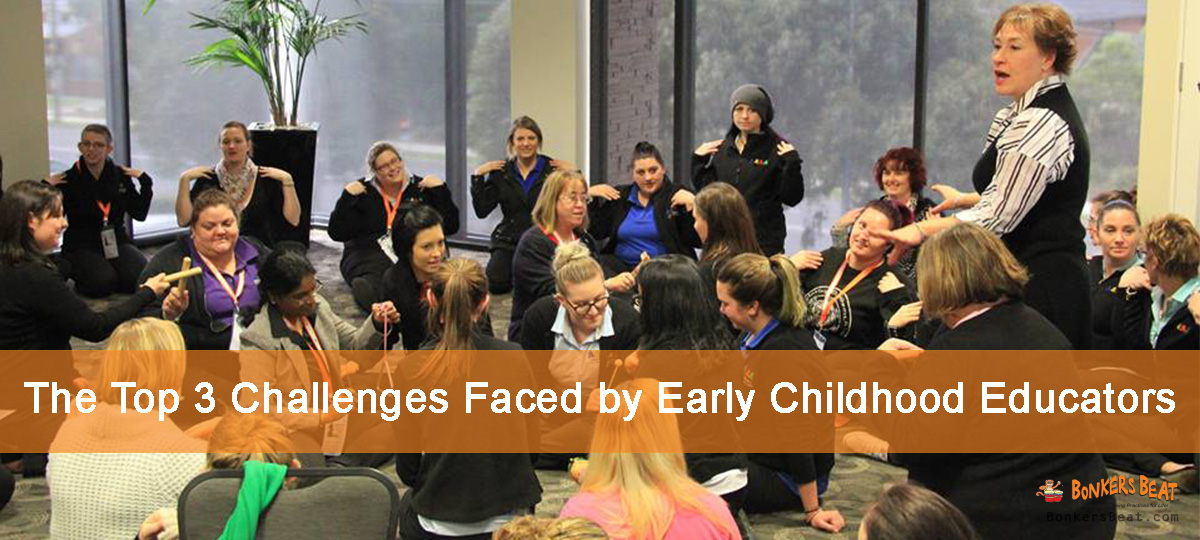
Revealed: The Top 3 Challenges Faced by Early Childhood Educators

challenges in early childhood education

On July 12 the very first Wellness Works: The Complete Early Childhood Leaders Conference took place in Melbourne… And what a fantastic success it was!

In the lead up to the Melbourne event, we did some research to find out exactly what challenges in early childhood education were coming up for educators, leaders, managers and owners working in the field. The reason for this was to ensure that the conference addresses what you really want and need from your early childhood professional development. We asked many centres to share their top three challenges, and it’s safe to say there was a theme in the responses!

Top 3 Challenges in Centres

Here are the top 3 challenges in early childhood education that we identified after reviewing responses from a range of centres. These are challenges that are faced on a daily or regular basis by educators, room leaders, management and owners.

Motivation

Many centres find they have difficulties with motivating their teams – from getting them motivated initially, to keeping them motivated. This is a priority at Wellness Works and is addressed thoroughly. Our approach is through empowering and motivating the leaders in the centre as the basis of improving motivation levels across the team. Our tactics and tips are foolproof…

Transitions

If you’re like the vast majority of the educators we heard from, transitions continue to cause stress and are a great source of frustration in centres. We’ve been careful to focus on this area and deliver practical ways for your centre to tackle transitions. You will even find them enjoyable…!

Documentation

How do we document a child’s learning, how do we maintain adequate – even excellent – standards for our centre’s documentation without it being a job too big to handle? Documentation is a hot topic for early childhood and we set out to improve your understanding of documentation and make sure it is no longer a huge challenge for you and your centre.

Do these challenges sound all too familiar? Not to worry –Wellness Works: The Complete Early Childhood Leaders Conference  comes to Sydney on July 26 and Brisbane on July 28. Both Galina and Alina (or the Duolinas as they’ve been dubbed!) are really excited. If you’re coming along to Wellness Works, you should be excited too! (And if you haven’t got your seats organised yet, you’re in luck as there are still a couple of places available for Sydney and Brisbane – be quick and get them here!)

What Early Childhood Professionals are Saying

Here’s what just a few of the Melbourne Wellness Works attendees had to say about the event:

“Thank you today was very enjoyable. I have RSI I took so many notes!”
– Mandy, Joseph Avenue ELC

“Great opportunity. I feel empowered to take back to a team. Loved the songs and games”
– Rebecca

“This PD was fantastic, all the info was great, very engaging and fun”
– Jessica, Aberdeen Street ELC

Join us at Wellness Works: The Complete Early Childhood Leaders Conference and let’s break down your challenges in early childhood education and address them together.

Featuring the engaging and experienced early childhood experts, Galina and Alina, this just might be the best professional development session you attend this year!

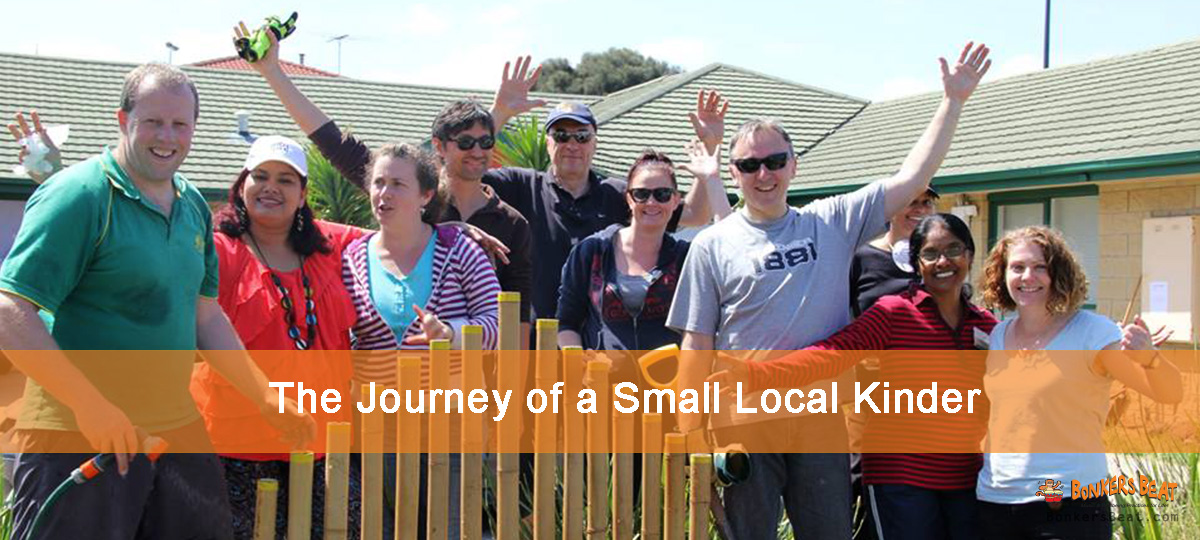
The Journey of a Small Local Kinder

Choosing the right childcare centre, kindergarten or school is one of the most challenging decisions parents have to make. It’s clear that many parents have an idea of what sort of program or approach to early childhood education they prefer… So how can our philosophy, values and early childhood curriculum suit everyone?

As early childhood educators, we want to deliver what all families want, but how do we do this while staying true to what we believe will help a child to reach their full potential?

Have a Vision

After teaching music to children for more than 25 years, it was evident to me that music is powerful! I could see how music could change lives and characters of young people and could become a key for the development of the whole child. The vision for me was to use music as the foundation of a program to nurture each individual, develop their sense of identity and unlock the door to reach their potential.

The questions I asked myself were: “How can we create a curriculum where music will become a strong and valuable foundation for children’s learning? How can we include music in everyday routines? How can we achieve the best outcomes for EVERY CHILD, EVERY DAY?”

Fix your Focus

With so many expectations from parents, it’s hard to know what to focus on. “Will your programme help my child to read and write before he’ll start school?…” “Can you help my child become independent? He will be going to prep next year…”
“Don’t you teach children math in kinder? They need to know how to count…”

So where do we start? I believe we should start with VALUES. For example, the Bonkers Beat Philosophy is based on Five Principles:
• Respect for all people
• Respect for all animals & living creatures
• Respect for all plants & nature
• Respect for kinder & personal belongings
• Respect for yourself

While our program reflects these Five Principles, it’s clear that every curriculum should have only one Main Focus: THE CHILD!

Ask yourself these questions:

What is the main focus of our curriculum?

Is this working for the children (and educators)?

Are the children really interested and engaged?

Do I really know and understand every single child?

What new and exciting ideas can I offer?

What is my purpose and what is my vision?”

Remember every educator is a creator and every educator is an innovator. If our Main Focus is the CHILD, we are well on our way to delivering a world-class curriculum.

Wellness Works for Every Child

We mentioned in our previous blog, ‘Why Wellness REALLY Works’, that a holistic approach really is crucial to deliver high quality early childhood education. For me, the approach that made the most sense – and demonstrated amazing results – was through wellness. There’s really no denying that achieving wellness for children AND for educators improves every aspect of early childhood education – for families, staff, centres and the industry as a whole.

In our days of pressure and fast living, it’s so easy to fall into the habit of doing the same things over and over again. From time to time we might feel scared to make a change or try something different. Often, we get criticised for not doing things the ‘usual’ way. Believing in your dreams and working towards one goal with a team of supportive and dedicated people, will make a difference. It will help you to put your vision into practice.

For me, one single idea of a music program for EVERY CHILD EVERY DAY, was just the beginning of a comprehensive and innovative curriculum which is now successfully run in centres all over Australia!

There is always so much more for us to learn, that we can never say that all our work is done. There will always be many more opportunities to improve, make our curriculum better and reflect on the changes of our fast moving society.

I’ve joined forces with internationally renowned early childhood expert Alina Dan and invite you to join us at Wellness Works: The Complete Early Childhood Leaders Conference. Come along and see for yourself why a holistic approach is so unique and effective.

WHY Wellness REALLY Works

wellness in early childhood

Wellness is a conscious, self-directed and evolving process of achieving full potential. Wellness is multidimensional and holistic, encompassing lifestyle, mental and spiritual wellbeing, and the environment. Wellness is positive and affirming.” National Wellness Institute

We all want to be the best version of ourselves possible. And we want the children in our care to reach their full potential too. Working towards wellness is the key.

Wellness is made up of several connected parts, and can really only be approached holistically. By approaching early childhood education with wellness in mind, we can make an incredible positive impact for all involved.

The Australian Psychological Society’s 2015 survey on stress and wellbeing in Australia showed that the wellbeing of Australians is faring worse than the first survey in 2011 – we’re reporting lower levels of wellbeing and workplace wellbeing, as well as higher levels of stress, depression and anxiety symptoms. This is in line with BeyondBlue’s statistics that suggest there are 3 million Australians living with depression or anxiety.

It’s time that we in early childhood education put some serious effort into the wellness of both educators and children. The best way to change the future is with wellness and some inspired leadership action. This is the mentality behind The Complete Wellness Works Educational Leaders Conference.

This is a conference like no other, designed specifically for educational leaders, management, directors and owners. It’s time to lead your centre with an early childhood revolution. You can learn more and register today at www.bonkersbeat.com/wellnessworks/.

Early childhood education needs a holistic approach, and the multi-faceted nature of wellness is the ideal foundation to build the future on.

Wellness in early childhood really does work, and The Complete Wellness Works Educational Leaders Conference is going to show you how to make it work for you and your centre.

Alina Dan is an internationally renowned early childhood presenter and business developer – her presentation will empower you to reach your full potential in your role as a leader.

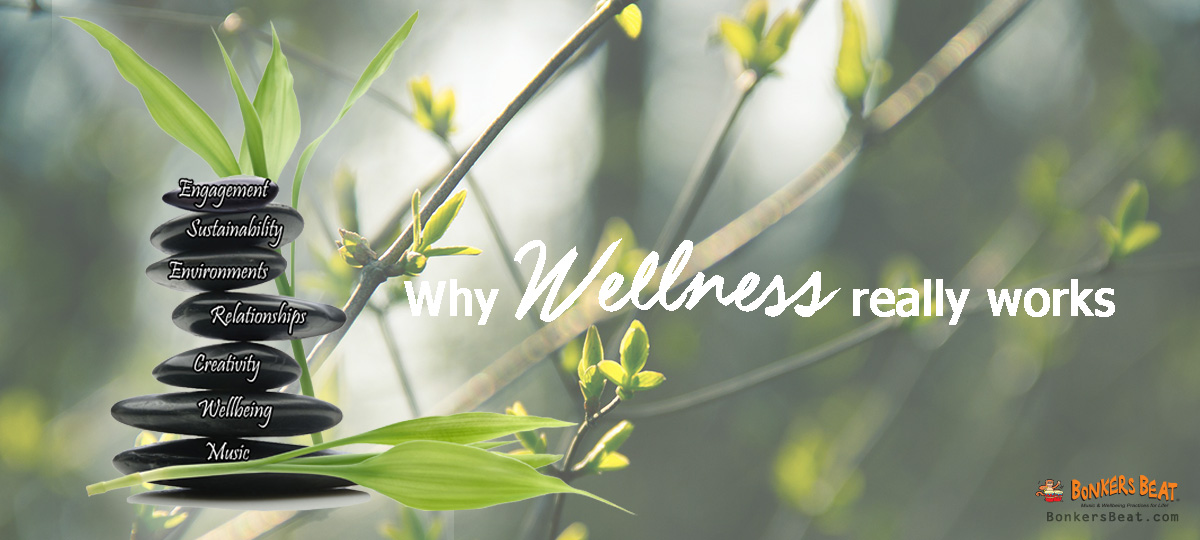
Galina Zenin is a multi-award winning educator and her Seven Stone Philosophy is a clear path to incorporating wellness in early childhood. Her presentation is not only informative but gives you practical tools and inspiring insights into incorporating wellness to make your centre the best it can be.

Why does wellness work?

Here’s the simple answer: the path to wellness in early childhood is also the path to reaching our full potential. Let’s get started on the journey to wellness and watch as your team and the children in your care flourish – not to mention your centre.

Spots are filling FAST! Secure yours now – register at www.bonkersbeat.com/wellnessworks/

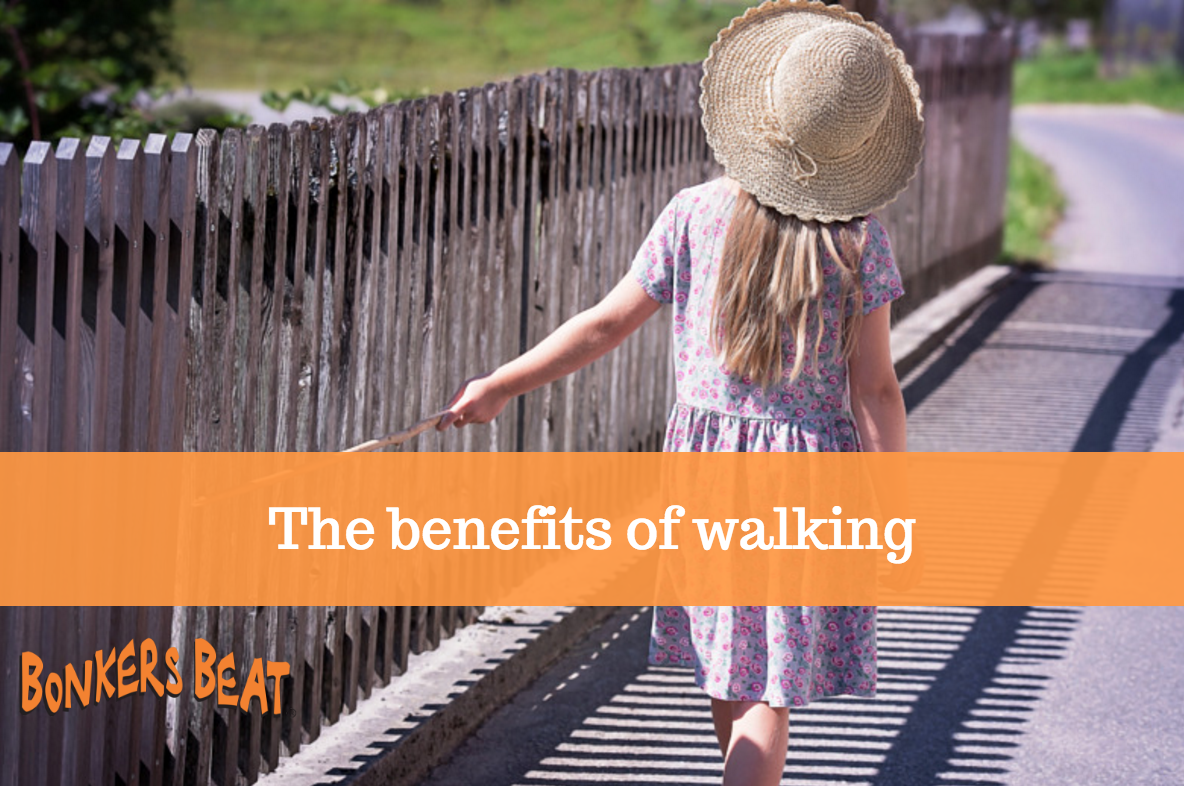
Walking – The path to better health

benefits of walking

This Friday 20 May is National Walk Safely to School Day – an annual event that encourages Primary School children to walk to school with a focus on safety. As early childhood educators, we can spread the message of the benefits of walking and the importance of pedestrian safety within our centres. After all, children, their families and educators can benefit from walking!

Walking for good health

Most of us walk each day, at least a little – walking is one of the easiest ways to fit in some exercise every day. No special outfit or equipment needed, and you can do it just about anywhere at any time!

So what are the benefits of walking?

Benefits of Walking for Educators and Parents

Whether you’re a parent of a young child or children, or an educator of them, we think it’s safe to say that you lead a busy life. Many of us don’t take care of ourselves as well as we should, but walking for just 30 minutes each day can offer a range of health benefits, such as:

-Lower stress levels
-Improved mindset and mood
-Better cardiovascular fitness
-Strength for bones and muscles
-Reduced body fat
-Lower risk of type 2 diabetes and heart disease

Benefits of Walking for Children

-Boosting mood
-Improved academic performance
-Connection with the outdoors
-Maintain good physical health
-Setting up healthy habits for life
-Become responsible pedestrian familiar with road safety

Best of all, any day is a good day for walking!

Mix it Up

Keep walking interesting – walk to the shops, stroll along beaches and local tracks, walk through national parks, walk with other families or friends… Even just parking a little further away from your destination and walking a little extra adds healthy steps to your day.

If you live close enough to your centre, consider adding a walk to or from the centre into your weekly routine – you won’t regret it and you’ll be embarking on a path to better health for life!

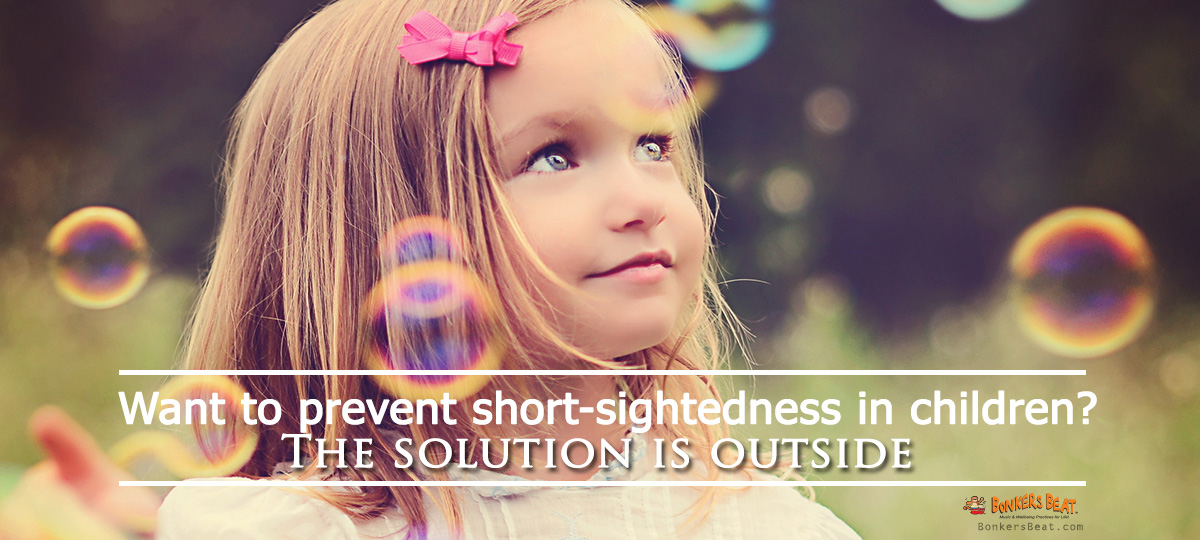
Want to prevent short-sightedness in children? Go outside

short-sightedness in children - go outside

We all know that children aren’t spending as much time outdoors as they used to, but now we are beginning to see the impact on their health – most recently, their eyesight.

Ground-breaking research released this month from a Queensland University of Technology study indicates that more exposure to outdoor light is crucial to reduce the epidemic of short-sightedness in children.

Short-sightedness, or ‘myopia’, has often been blamed on sitting too close to screens, but optometrist and head of research in the study, Associate Professor Scott Read said: “While screens are contributing to children spending more time indoors than in previous years, the research shows they are not the direct cause of the increased incidence of myopia”.

With this new research, tomorrow’s Earth Day is beneficial not only to show children how to take care of the planet but also to benefit their health and renew their love for the outdoors.

Get Outside for Earth Day

That’s right, Friday 22 April is Earth Day – a day dedicated to our home! It’s no secret that the Bonkers Beat programs are passionate about sustainable practices and learning about the world around us, as well as creating amazing outdoor spaces at centres.

The official Earth Day website tells us that one of the easiest and most effective ways of contributing on Earth Day is by planting trees. Lucky for us living and breathing early childhood education, many children love digging in dirt!

If you aren’t able to locate somewhere to plant trees, even herbs and plants are simple ways of communicating the message and reaping the benefits of children getting close to nature. Register your event or find one here.

Trees are all around us, big, small, flowering, homes for birds and other animals – let’s get children talking about them, planting them, admiring them! Preventing short-sightedness in children in just one of the many benefits of spending more time outdoors. The more children love and appreciate the outdoors, the more likely they are to go outside – and we know how important that is.

Read more about the QUT study on outdoor light and short-sightedness here.

3 Reasons Open Days are a MUST

When it comes to choosing the right centre to kick off a child’s early childhood education, parents are dedicated to making an informed choice. Many spend time researching online and seeking opinions from family, friends and colleagues. However, there is no substitute for visiting a centre and getting a feel for the facilities, the environment and the people.

For parents, Open Days at early learning centres offer the opportunity to see firsthand what the centre has to offer. When Open Days are scheduled for weekends, you get the freedom of exploring the centre and chatting with educators and staff without interruptions. For centres, Open Days give you the chance to showcase what you’ve got to offer your community’s youngest members and put your very best foot forward.

First, let’s look at 3 reasons why Open Days are a MUST for parents to attend, then we’ll go through 3 reasons why centres should have Open Days.

3 Reasons Why Families Should Attend Open Days

1: Programs and Facilities
Explore the centre and see for yourself what it has on offer, rather than read or hear about it.

Questions to consider:
-Does the centre have a rich curriculum to benefit my child?
-Are educational programs embedded in the curriculum and offered daily?
-Is there a funded kindergarten program?
-Do the programs give my child the best start?
-Is the centre engaging and does it reflect the children’s learning journey?
-Are the facilities clean and up to date?

2: Meet the Educators
Meet some of the individuals you would be entrusting with your child’s wellbeing.

Questions to consider:
-Do I find the educators and staff to be likeable and friendly?
-Did the team seem genuine and passionate?
-What are the team’s qualifications and specialty areas?

3: Trust Your Feelings
Get a feel for the centre that can only be felt in person.

Questions to consider:
-How do you feel visiting the centre?
-Can I see my child enjoying spending time at the centre?

Now, for centres that are wondering why they should have an Open Day, consider that you need to deliver based on the above reasons that are so important to parents and families. Here’s some more information for centres on these areas…

3 Reasons Why Centres Should Have Open Days

1: Showcase your centre
Don’t just tell – SHOW the local community and families what you have to offer. Planning an open day allows you to put your best foot forward and demonstrate to families why they should choose your centre for their child or children.

2: Meet the Families
Early childhood education is a crucial part of a child’s life and in our communities. Engaging with local families shows and grows your passion for your centre’s wider community and its members. Open Days can be the beginning of a long relationship between you, your centre and these parents and children.

3: Be Transparent
You can great flyers, ads and a perfect centre, but the way your centre makes parents and families feel when they are there is a key factor when it comes to enrolling. Let your centre’s positive energy and warm atmosphere shine through to families on a day dedicated to your centre and all that it has to offer children who attend!

We have an Open Day coming up this Saturday 16 April at Bonkers Beat Music Kinder & Childcare in Aspendale, Victoria. From 10am-12pm we have invited all families in our community to visit the centre and enjoy a fun morning of exploring. For anyone who would like to see what the Bonkers Beat programs are all about, please join us at 49 Laura Street, Aspendale from 10am-12pm this Saturday 16 April.

Get Eggcited About Easter

You’re probably thinking “Easter already?!” and it certainly feels like that with Good Friday coming up next week on 25 March.

From Easter egg hunts to chocolate bunnies, decorating eggs and Easter bonnets – there are so many different ways that we celebrate Easter. Easter traditions are unique across many different countries, religions and cultures too – this might be something to bring in to your centre’s celebrations.

If there are families or educators in your centre who celebrate Easter a particular way, it can be wonderful to have them talk about – or even show – how Easter is recognised in their lives.

Regardless of whether you take a secular approach to Easter or talk about all the different ways Easter is enjoyed over the world, it is almost always a time that children get excited about.

Incorporate it for a day or have a whole Easter-themed week – whichever way you approach it, we’ve compiled a bunch of inspiration and activities that children will love!

Activity Inspiration to Celebrate Easter

Easter Bonnets/Easter Bonnet Parade – Try some Easter hat ideas listed here or come up with some wild creations of your own.

Easter Colouring Pages – These great Easter-themed printables make for a simple but always enjoyable activity. Make it interesting by adding glitter, cotton wool and other textures.

Craft For Easter – Get inspired to decorate eggs, create Easter baskets and more.

Easter Recipes – A homemade Easter treat can be yummy, educational and fun!

Our special Bonkers Beat song ‘Easter Bunny’ is a favourite for Easter too. You can access it here!

Share more Easter ideas with us on Facebook! Bonkers Beat members, you can share your Easter celebrations with us via our My Bonkers Beat Facebook group.

Stay safe and have a happy Easter break everyone!

Powered by WishList Member - Membership Software