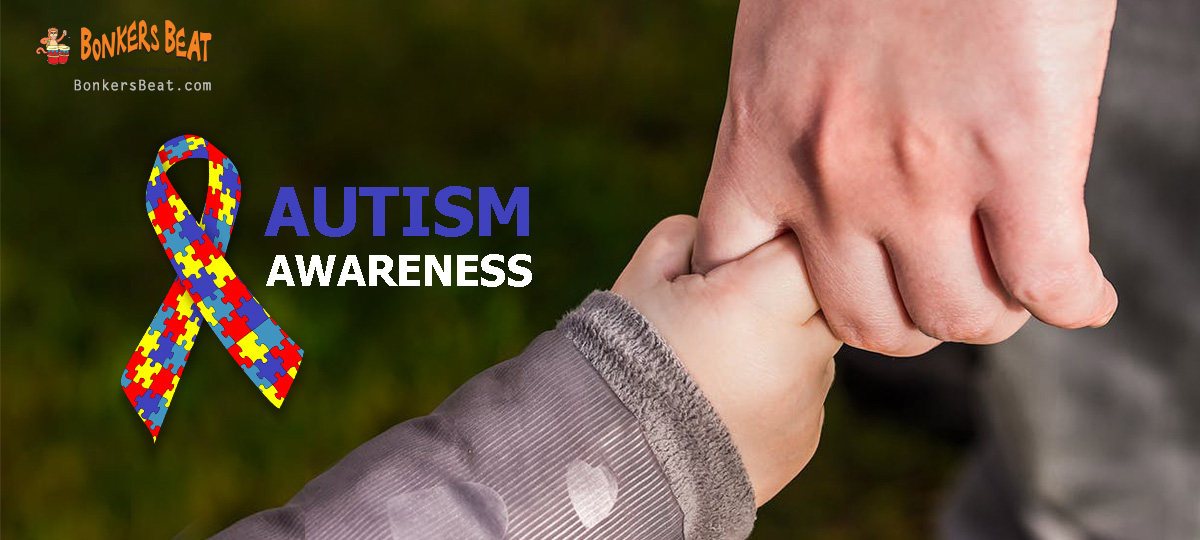
Helping Children to Understand and Support Peers with Autism

Over 200,000 Australians are living with autism. That’s around 1 person out of every 100 people, with the condition four times more likely in boys than girls.

Needless to say, spreading awareness and acceptance of autism is really important for all communities. That includes ensuring we all – including children – have an understanding of what autism is and how it may impact people’s lives.

What is Autism?

It’s tricky to define autism in some ways as it varies from person to person. A good overview is offered by Autism Spectrum Australia, who says, “autism is a lifelong developmental condition that affects, among other things, the way an individual relates to his or her environment and their interaction with other people”.

Sometimes individuals with autism will have issues arise with communication, language, sensory development and sometimes body language and physical coordination.

It’s important to note that the condition exists across a spectrum. This helps to describe the range of challenges that may affect autistic individuals and to what degree their lives may be affected.

For example, some autistic children may not speak, others may be particularly sensitive to certain noises – there’s no ‘one way’ to have autism.

Guiding Children to Understand their Autistic Peers

Given that approximately 1 in 100 Australians have autism, encouraging children to understand the condition and some of the ways it may be displayed is essential. In addition, research has found that peers can help teach social skills to children with autism.

The number one thing to know is that while an autistic child may approach some things differently to a child who does not have autism, they still want to play, feel included and have friends who care about them, just like everyone else.

Check with parents of autistic children to clarify how they would like to approach it within peer groups. Some parents prefer that their child’s autism is not discussed, while others are happy to talk about it and help peers to understand how autism can affect behaviour.

Here are some important messages to share with children in Autism Awareness Week:

-We are all different in some ways. We might do things differently, speak differently or behave in unique ways.

-Autism or any other condition is just one characteristic of a child. We all still have lots of things we like and dislike or are good at.

-Let children know how to best communicate or play with autistic peers. For example, by refraining from yelling or by using simple phrases in conversation. Of course this will depend on the best approach for the autistic children in your care.

How Educators can Help

Early childhood educators can play a key role in encouraging inclusion and celebration of children’s differences in centres by:

Including activities that focus on the strengths of the autistic children at your centre. Involve other children too and show we are all different and special with unique abilities, yet we can also have fun together.

Maintaining a predictable environment. Routines and structure can offer a way to enable autistic children to flourish.

Communicating clearly. Use visual aids can be a useful tool, including diagrams on posters, real objects and photos. Written prompts can help too depending on a child’s age.

At Bonkers Beat we find incorporating the self-paced Montessori approach can be a beneficial for working with children with autism. You might like to read more about the benefits of this approach for children on the spectrum here.

Let’s work together to build awareness and acceptance for autism – not just throughout Autism Awareness Month – and help all children to be the best they can be!
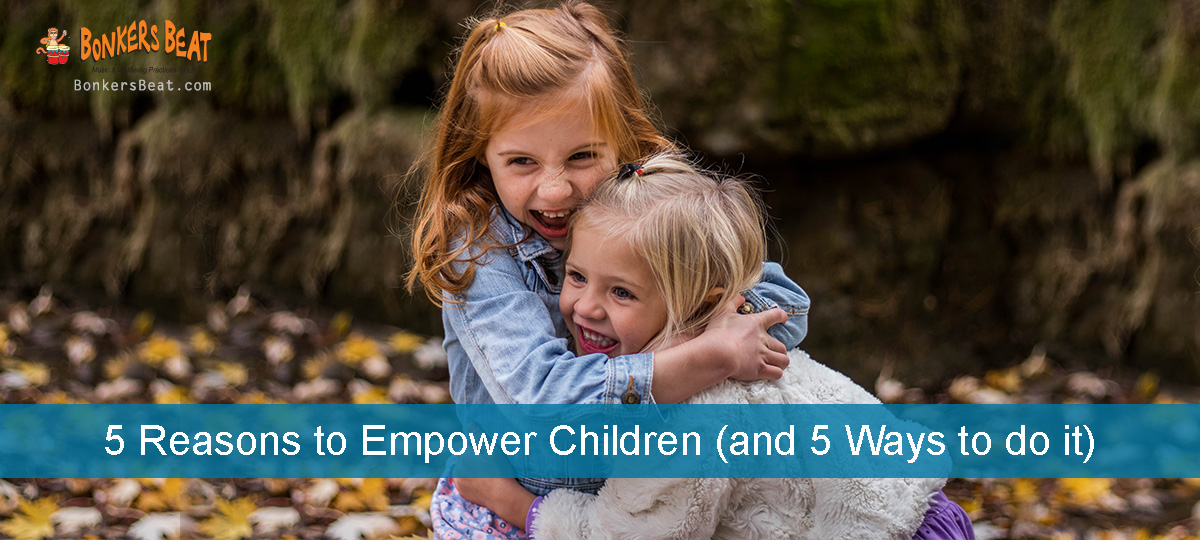
5 Reasons to Empower Children (and 5 Ways to do it)

empower children

Whether you’re a parent or you work with children, we all want the best outcomes for children. We want to see these young people flourish and reach their full potential.

Of course there are countless factors to consider in children’s lives, but today we’re going to explore one particularly powerful element that can have an impact.

What is empowerment?

The Oxford Dictionary defines empowerment as “the process of becoming stronger and more confident, especially in controlling one’s life and claiming one’s rights”.

To empower children is to guide them to feel valued, capable and to realise they play the role of creator in their own lives and futures.

It doesn’t mean children should have a say over everything – of course, children must still learn to work within rules and guidelines set by authorities, teachers, parents and so on.

What we do want it for young people to make informed choices for themselves, identify and take responsibility for the consequences of their actions. Children should be given the opportunity to engage with the world around them in a meaningful way.

Why we should empower children

1. Grow confidence and self-esteem

Confidence and self-esteem enables children to feel happy and comfortable with who they are, as well as try new things. They are more likely to manage their own behaviour.

2. Encourage independence

Allowing children to have a say in their lives and make choices that affect them helps them to be independent.

3. Build resilience

Empowerment is a key factor in building resilience, which enables children to bounce back from whatever life throws their way.

4. Develop self-respect

When children understand that they are powerful creators in their own worlds, they develop a sense of self-respect. Self-respect enables children to better respect and value others.

5. Make them better learners

A confident, independent child has the best chance of being an effective learner and shaping a fantastic future for themselves.

How to empower children

  1. Give children responsibilities
  2. Celebrate accomplishments
  3. Involve children in family and classroom decisions
  4. Lead by example
  5. Support and guide children on their journey

For further guidance in empowering children, the Montessori Philosophy and Reggio Emilia Approach are well-known examples of how to encourage children and develop their skill and life confidence in early years. Incorporating empowerment is also an essential ingredient in our approach to early childhood education at Bonkers Beat Music Kinder and within our Bonkers Beat Music and Wellbeing Programs.

Let’s empower children today and help them to become more resilient, effective learners. What better way to set them on a path to reach their full potential.

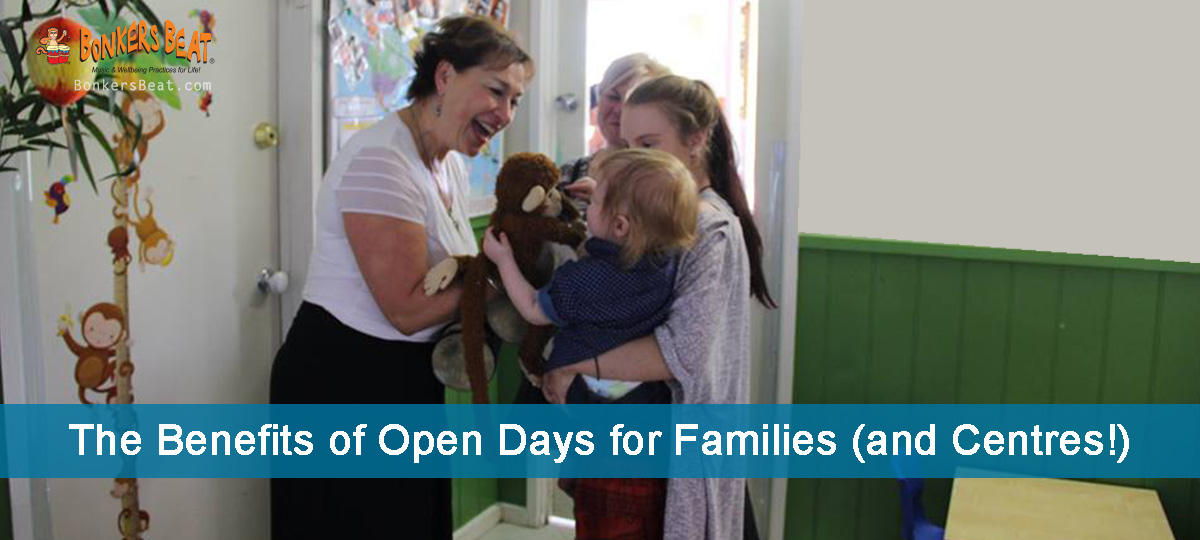
The Benefits of Open Days for Families (and Centres!)

Open Days are an essential ingredient to help families make the right choice for their children when it comes to starting their early childhood education.

For a family to choose the centre or kinder that best suits their needs and preferences for their child isn’t as simple as looking at a website or hearing positive things in the community. While these are important and help with the decision-making process, there’s no substitute for getting up close and personal with a centre and its staff.

Bonkers Beat Music Kinder in Aspendale, Victoria is hosting an Open Day on Saturday 4 March. From 10am until midday we have invited members of our local community to come along and visit our centre.

We’ve arranged a music show and yoga with Bonkers for children and families to be entertained as well as gain a deeper, more interactive understanding of our approach to early childhood education.

Attending Open Days presents many benefits to families. Here are three of the main reasons families should definitely attend Open Days to get firsthand experience of a centre:

How Families Can Get the Most from Open Days

1: Programs and Facilities
Explore the centre and see for yourself what it has on offer, rather than read or hear about it.

Questions to consider:
-Does the centre have a rich curriculum to benefit my child?
-Are educational programs embedded in the curriculum and offered daily?
-Is there a funded kindergarten program?
-Are the facilities clean and up to date?

2: Meet the Educators
Meet some of the individuals you would be entrusting with your child’s wellbeing.

Questions to consider:
-Do I find the educators and staff to be likeable and friendly?
-Did the team seem genuine and passionate?
-What are the team’s qualifications and specialty areas?

3: Trust Your Feelings
Get a feel for the centre that can only be felt in person.

Questions to consider:
-How do you feel visiting the centre?
-Can I see my child enjoying spending time at the centre?

Perhaps you’re from a centre and have been wondering if an Open Day is worthwhile for you to showcase what you have on offer for local families – here’s how you can deliver to the community and give them the information they need to decide if you’re the right fit for their families.

Reasons Why Your Centre Should Hold an Open Day

1: Showcase your centre
Don’t just tell – SHOW the local community and families what you have to offer. Planning an open day allows you to put your best foot forward and demonstrate to families why they should choose your centre for their child or children.

2: Meet the Families
Early childhood education is a crucial part of a child’s life and in our communities. Engaging with local families shows and grows your passion for your centre’s wider community and its members. An Open Day could be the beginning of a long relationship between you, your centre and these parents and children.

3: Be Transparent
You can have great flyers, ads and a perfect centre, but the way your centre makes parents and families feel when they are there is a key factor when it comes to enrolling. Let your centre’s positive energy and warm atmosphere shine through to families on a day dedicated to your centre and all that it has to offer children who attend!

Attend or hold an Open Day this year and enjoy the benefits for yourself as either a parent or a centre.

If you’re local to the Aspendale area, visit our Open Day at Bonkers Beat Music Kinder & Childcare on Saturday 4 March, 10am-12pm. Hope to see you there!

Open Day Poster 2017 (wo bleeds)


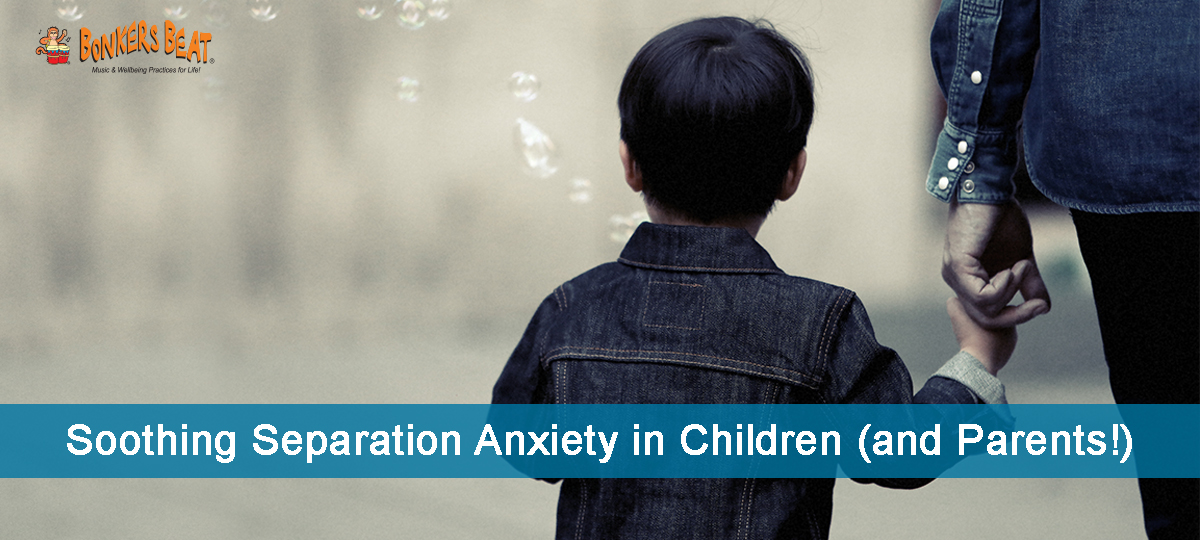
Soothing Separation Anxiety in Children (and Parents!)

separation anxiety

Many children have just started in new centres, new schools or perhaps new rooms with an existing care provider.

For some families and educators it will be all smiles and a smooth transition. For others it can be very upsetting as children can be distressed, particularly at drop off time. Sometimes we see parents feeling separation anxiety around this time too. This is nothing to be concerned about.

Separation anxiety is not unusual – in fact, it’s quite common. With a few tried and tested strategies, educators and centres can help families to overcome separation anxiety and make drop off time easier for everyone.

What causes separation anxiety?

To understand it best we need to know what brings on bouts of separation anxiety.

Two of the most common causes of separation anxiety we tend to see in early childhood education are directly related to:

-Change in surroundings eg moving house, changing schools/care providers

-Manifestation of parental separation anxiety.

Strategies to soothe separation anxiety

As educators, there are things we can do to help parents and children feel less anxious at drop off time and keep separation anxiety under control.

1. Get ready

A good orientation process can be really effective at reducing the onset of separation anxiety.

Whether it’s a new room, new educators or a new centre, we should guide parents and children to prepare for the impending change in advance.

2. Create a routine

It’s not just children who love routines – adults benefit from them too! Parents and children should be encouraged to create a regular, reliable routine for childcare/kinder days. This helps everyone understand what to expect.

On arrival, knowing what will be happening in the centre will assist children to be even more confident and settle into the day better. (This will help parents to relax too!)

3. Focus on relationships

We believe that collaboration with families is essential for the best outcomes for children in early childhood.

Communicate with parents and reassure them. Parents need to know that educators are capable of identifying signs of discomfort or distress in their child and that their wellbeing is your priority.

4. Incorporate transitional songs

The Bonkers Beat Music Program harnesses the power of music in many ways for centres and children – one such way is through the use of transitional songs.

A transitional song is a great way to facilitate a smooth transition between activities in childcare settings. This same approach could be applied to the drop off period for parents and children. A simple song to be sung by families on the way into the centre each time could be a valuable addition to the routine to help everyone to adapt to the approaching shift in environment.

Your support counts

Separation anxiety isn’t enjoyable for anyone, however your support as an educator can go a long way to help families through it.

Calm voices, reassuring words and body language and a positive attitude paired with our strategies will help guide you through as children settle in to 2017.

If you feel you would like more tips, this ACECQA resource is very handy and full of information to help.

Top Tactics for More Centre Enrolments

As centre owners, directors, managers and educators, we take pride in our centres. So when our beloved childcare and/or kindergarten service isn’t getting as many enrolments as we would hope, it can be disheartening.

Increasing your centre’s occupancy can be challenging. More established centres feel they struggle to compete with brand new centres offering impressive centre design and newer facilities. On the other hand, some new centres are starting from scratch and face the challenge of establishing a good reputation in the community.

Never fear – with many years of experience guiding centres to success, we have compiled some top tactics for you to get more enrolments at your centre.

1. Get your centre out there

Whether you’re an established centre or brand new, there’s a chance that you’re experiencing lower than desired occupancy rates simply because you’re not putting your centre out there for the public.

You don’t have to spend thousands on marketing to get noticed. Try hosting an Open Day – simply open your centre on a Saturday or Sunday and let families explore it for themselves. A sausage sizzle or craft for children can attract more people.

Facebook is full of opportunities to help familiarise your community with your centre. You can post in community groups and/or create a company page for your centre. Investing as little as $10 on Facebook ads can help spread the word about your centre to a selected demographic.

2. Motivate your team

One of my favourite acronyms: TEAM: Together Everyone Achieves More. When your educators work together and are a united team, you will have the best chance of success.

Centres old and new struggle to find passionate, committed staff. Regular professional development can help motivate your team – take a look at the staff development curriculum day at Bonkers Beat Music Kinder we arranged this week to get inspired. We did lots of bonding and brainstorming.

Try brainstorming with your educators about how you can increase occupancy. If families are leaving after one year, discuss why you think that might be and what you could be doing differently.

3. Enhance your point of difference

What makes your centre special? What do you do differently? Find your point of difference and make it stand out.

Centres who have our Bonkers Beat Music Program embedded are given plenty of resources and guidance. This includes how to highlight their centre’s unique, powerful and effective approach to early childhood education. Parents love to learn about the incredible results and with their enhanced knowledge, they are more inclined to rave to others and spread the word for you!

We’ve even seen centres that run the Bonkers Beat program covered in the local papers across various states because of the exceptional outcomes for children in the community.

If you can identify what makes you different to the other centres in the area, you have a better chance of attracting families who will be committed to your centre. The idea is that these families’ values and goals for their children will align with your centre’s outcomes.

SPECIAL OFFER EXTENDED!

To help you with improving your centre occupancy and get 2017 off to a fantastic start for you, we have extended our Bonkers Beat special offer.

Join the Bonkers Beat Music Program before Monday 6 February , you’ll get your first month membership FREE.

Learn more and sign up here.

Our award-winning program is simple to embed into your existing curriculum and will:

  • Stimulate Children’s Brain Development
  • Increase occupancy at your centre
  • Attract, Motivate and Retain Quality Educators
  • Increase Your Centre’s NQS Ratings
  • Enhance Family Engagement
  • Make Educators’ Programming and Documentation Easier
  • Give Your Centre a Key Point of Difference

Best of luck with improving your centre’s occupancy – we know that with a few tweaks and some dedication, you’ll have more enrolments in no time!

This is it: 12 months of opportunity has begun

Welcome to 2017! A new year is upon us with 12 months of amazing opportunities for success and happiness for us all.

Like many, you may have made some resolutions entering the new year…  These can come in many shapes and forms – quit a bad habit, eat healthier food, do more exercise, visit friends more often…

Did you know that making resolutions on January 1st is said to date back to the time of Julius Caesar? He created the tradition, basing it on a mythical Roman god named Janus. Janus had two faces so he was able to simultaneously look back into the year that has past while looking forward into the new year that has commenced.

Two faces aside, we can all do a little bit of this, and should. That is, we should all reflect on 2016 and try to work out what went well and why. How can we repeat it? Can we do better?

We can also consider what didn’t go so well or where there was plenty of room for improvement. Again, why? And how can we make change and take steps towards bettering this area in 2017?

This year Bonkers Beat has made the resolution to grow and reach more early childhood educators and industry professionals than ever before.

We are expanding the Bonkers Beat Music and Wellbeing Program, providing more room for centres right across Australia to come on board. We are even taking interest from those interested internationally!

The Bonkers Beat Program includes more than ever before too – more value and even more amazing results for centres, management, educators, families and, of course, for children.

Just a reminder too that Bonkers Beat members have exclusive access to not one but TWO jam-packed, high quality early childhood professional development conferences in your state this year. We are very excited about our special guest speakers for the 2017 Wellness Summits, and you should be too!

Bonkers Beat could be just what you need to achieve your 2017 resolutions. In fact, it’s not too late to join us and come along to our February and March Wellness Summits! Click here to learn more about our programs or email your expression of interest to admin@BonkersBeat.com.

Again, welcome to 2017 and we can’t wait to make this year absolutely awesome with you all!

Thank you for another inspiring year

this Just like that, it is almost time to farewell another fun, busy and exciting year! Throughout 2016 we saw educators and parents working together to guide and nurture children, using the power of music to enhance every aspect of children’s wellbeing.

I’d like to say thank you to each and every one of you for being a part of something so important – the shaping of the future. Your endless effort and dedication to the care of today’s young people is absolutely inspiring. I am immensely proud.

I’m very touched to have been given the privilege of presenting at early childhood events in multiple countries this year – I extend my gratitude and best wishes to all who invited me and attended these events. Your commitment makes me excited to see what is in store for the future of early childhood education.

Hopefully you are all enjoying the end of year fun – children really do love this time of year don’t they!

To our wonderful readers and supporters, we wish you a very Merry Christmas and to help you celebrate please enjoy a special Bonkers Beat Christmas song – ‘Ring The Bells’.

All the best for Christmas and the New Year! See you all in 2017!

Happy Singing & Stretching,

Galina

and the Bonkers Beat team


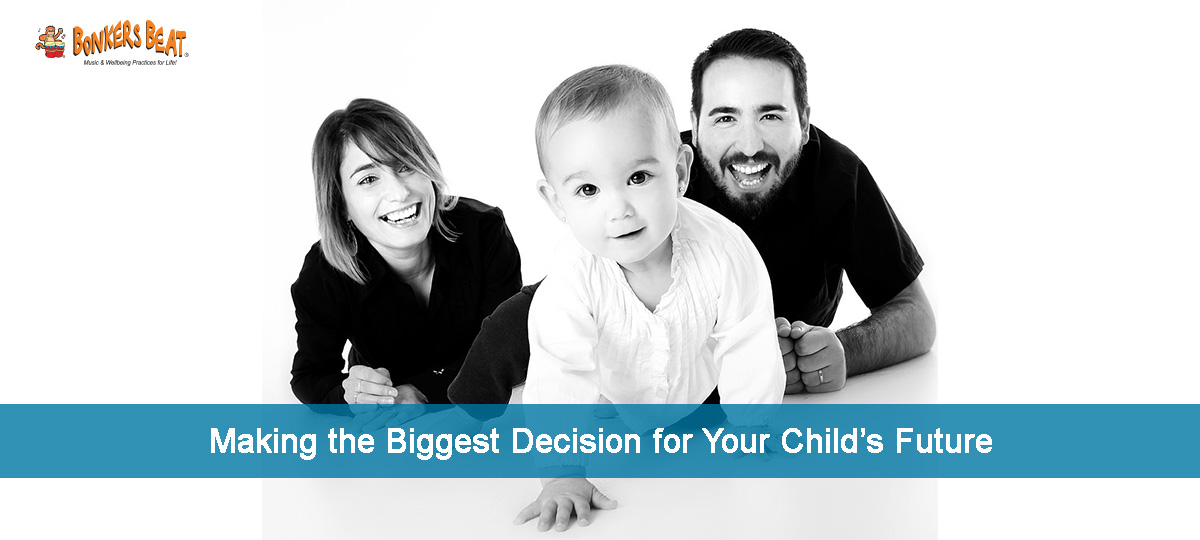
Making the Biggest Decision for Your Child’s Future

continuity of care

There’s so much to think about during the early years of a child’s life. For parents it can be quite a whirlwind, from the sleeplessness of the first months to finding your feet in parenthood and then all of a sudden children are being enrolled at childcare or kinder.

With the knowledge that the first five years of life are when the brain does its most intensive wiring and development, making educated and informed choices about your child’s early learning is vital.

Pre-cursor for School Success

While childcare and pre-school/kindergarten programs are play-based forms of learning, they can play a big role in your child’s success in school.

In fact, a recent study by the University of Missouri College Education highlights the importance of pre-school years for children’s educational development and preparation for success in life.

Continuity of Care: It’s Crucial

When choosing a childcare or pre-school program for your child, it’s always best to think long-term – that is, commit to continuity of care for your child right through to commencing primary school.

Continuity of care means that children remain at one early childhood educational service for the three years prior to starting school. Early Childhood Australia says that consistency between settings is a critical factor in thinking about effective learning over the long term. “While children are certainly resilient and adaptable, their experiences of transitions and change are likely to be more favourable when there is as much consistency and continuity between settings as possible.”

Sometimes parents leave their current service to enrol their children in the 4-year old funded kindergarten year at the local government kinder. This is the equivalent of switching primary schools in grade 5 or high schools in year 11. Of course this can be a necessity when a family is moving areas, but for the most part these transitions don’t allow children to flourish and continue an uninterrupted developmental journey.

Extra Transitions Unnecessary

There are two main reasons we see this final year switch take place. The first is financial. It is often more affordable for families to send their children to the local government kindergarten. However, government subsidies and benefits like CCB make this cost difference less noticeable. Furthermore, you’ll find more flexible hours, excursions and incursions available in some settings like Bonkers Beat, included in the fees. Not to mention school holiday care! Most importantly of course, the very best early childhood education is an investment in your child’s future.

The other reason we find that drives families to change centres in 4-year old kindergarten is that they are under the impression that this will ensure their children have friends who will attend the same school. While friendships that continue into school can be wonderful, many primary schools will in fact separate children who have arrived from the same kinder in order to encourage even more new friendships to flourish in this new environment.

It’s important to note as well that there are often many kindergartens that feed into local primary schools, not just the government kinder nearest to the school. For example, local primary schools in and around Aspendale in Victoria love our Bonkers Beat Music Kinder because the children who transition to school from Bonkers Beat are very confident, creative and have more developed social and emotional skills.

Make the Commitment

Research supports continuity as an essential ingredient for the very best early education experience for children. This is also evident in our experience too. When your child commences care, make the commitment for your child’s future and pursue continuous care where possible for the best outcomes.

Before enrolling your child into a kindergarten or childcare, take the time to do the research and find the right high quality service for your child. To allow your child a smooth transition to school in the future, you may even like to start investigating your options for primary and secondary education. Whether your decision is based on a high quality public, religion-oriented or private school it should resonate with your family values and provide the best foundation for your child’s future.

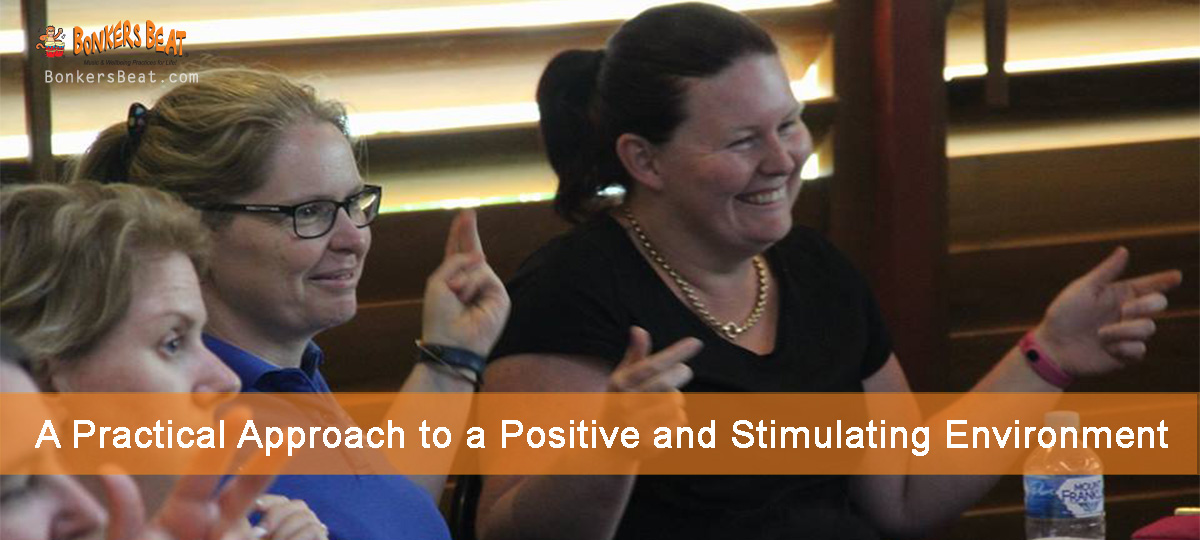
A Practical Approach to a Positive and Stimulating Environment

In 2016 we launched Wellness Works! The Complete Early Childhood Leaders Conference – and what an inspiring response we have had for this practical professional development for early childhood educators.

Our Newcastle event was no exception, taking place on Monday 14 November. If you haven’t heard about Wellness Works yet, it’s a collaboration between Bonkers Beat creator and innovative early childhood expert Galina Zenin with international early childhood presenter and renowned Early Childhood Business Developer Alina Dan.

Galina and Alina (or the “Duolinas” as they were dubbed at one event!) have dedicated their careers to improving the quality of care in early childhood in Australia and overseas, taking their holistic approaches to the masses. The goal? Well there’s not just one.

Tackling the Challenges Faced in Centres Together

Earlier this year we revealed the top three challenges faced by early childhood educators: motivation, transitions and documentation.

This remains true. Here’s a few things we identified during the year:

-Management find their educators are struggling with motivation, and management are struggling to find ways to motivate them.

-Everyone feels overloaded with documentation.

-The lack of practical knowledge found in centres reflects the need for more hands-on training – both initially and through ongoing professional development.

-Educators find themselves focusing on managing behaviour – this needs to shift with new strategies in place.

We address all of these areas and more at Wellness Works, so if you haven’t signed up to be among the first to learn of new dates for this event, please do by heading to the registration section: bonkersbeat/wellnessworks

Creating a Positive and Stimulating Learning Environment

We need to create a shift in our approach to children’s behaviour and the way we manage it. This is a key area because managing behaviour is a major source of stress for educators. If we can use more effective strategies for this we can simultaneously tackle behavioural issues while improving educator wellbeing – and in turn, improve the wellbeing of children.

Empowering educators and managers to create of a learning environment that is positive and stimulating could be an important first step, incorporating a holistic approach that caters to every child’s needs.

We can’t wait to continue this early childhood revolution with you all in 2017!

Don’t miss out on our next Wellness Works event – sign up in the registration section of our website and you’ll be the first to know about our next Wellness Works! The Complete Early Childhood Leaders Conference: bonkersbeat/wellnessworks

P.S. A HUGE congratulations and thank you to our inspiring, passionate and AWESOME attendees! You all make us so proud to be working together and we can’t wait to create positive changes through practical professional development.

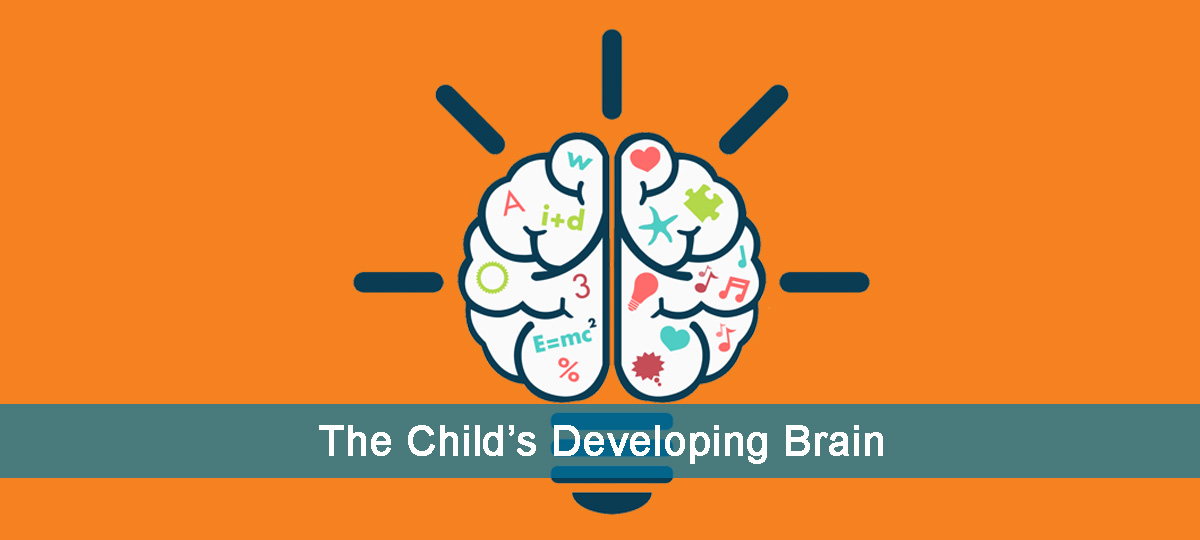
The Child’s Developing Brain

Children bring joy and laughter to our lives, there’s no doubt about it. They can also present the adults in their lives with many challenges as they grow and learn about the world around them and where they fit into it.

Whether you’re a parent of a young child or you work in early childhood, there are many strategies you can use to get the best out of children.

We’ve all heard that a child is like a sponge and when you spend time around young children you probably know just how true that is! (Even if they can be sponges with selective absorption at times!)

Research over decades has continued to make it really clear that the first five years of a child’s life are when the major wiring of the brain takes place. Meaning, those first five years can have a big impact on the next five, 15 or even 50 years.

With so much developing going on, the brain of a young child is a busy place and also a very special place. That’s why we need to take time and care to understand how children learn. This is something we will be paying close attention to at our upcoming free event for parents.

Understanding a Child’s Learning

As caretakers of young children – both parents and educators – we must educate ourselves on the developmental changes a child is experiencing at each different stage.  Often what some adults may view as naughty or bratty behaviour will actually stem from a developmental stage.

This government resource outlines some of the skills children will learn from 0-12 months, 1-3 years, 3-5 years and 5-8 years of age. It can be a useful guide to add to our knowledge bank and really can help us with seeing the world through a child’s eyes.

Approaches to Early Childhood Education

Many parents have an idea of what sort of program or approach to early childhood education they prefer… We believe a holistic approach is always the best approach when it comes to early childhood and we aim to incorporate elements of three of the most prominent early learning approaches.

At our free parent Information Night on Wednesday 16 November (open to any parents who would like to attend) we will be covering these three main approaches: Montessori, Reggio Emilia and Howard Gardner’s Multiple Intelligences Theory. You can read more about these at the end of this blog.

The impact on children from the empowering nature of these approaches can be quite amazing, which is why they are at the heart of our own approach.

Strategies for Tackling Challenging Behaviour

When we equip ourselves with knowledge and understanding then we have the power to think critically about a child’s behaviour.

Going back to our holistic approach, the types of strategies we employ to work through challenges with children and their behaviour involve a focus on the overall wellbeing of the child.

Our methods will often be trying some new and tackling the behaviour in a natural, gentle way focusing on neurochemicals, engagement and effective release of energy.

If you’re a parent of a child or children under 6 and you’re ready to make a plan to work through challenging behaviour and bring out the very best in your child, please feel free to join us at our hands-on, practical and informative free event from 7.30pm-9pm on Wednesday 16 November 2016 at 49 Laura Street, Aspendale, Victoria 3195. Please register for catering purposes via this link: http://bit.ly/2eGtPnK

A Quick Guide

Getting to Know Montessori, Reggio Emilia and Multiple Intelligences Theory:

Montessori is an approach that aims to support the development of the whole child. Broadly, the Montessori approach considers education as an “aid to life”, and has a lengthy track record of success – more so than any other educational approach. The Montessori goal is to inspire children to have a lifelong love of learning that follows their natural learning direction. It enables children to become confident, independent and responsible learners.

Reggio Emilia is an approach that values the child and views them as capable and curious – able to discover the world on their own as driven by their own interests. Playing, asking questions, investigating and exploring the world – these are at the heart of the Reggio Emilia approach. The adults are viewed as mentors and guides and learning experiences are born of a child’s natural curiosity, described as child-led.

Howard Gardner’s Multiple Intelligences Theory is based on the belief that there are seven ways people perceive the world. The predominant message to take from the Multiple Intelligences Theory is that we must deliver a range of different types of learning experiences to ensure that all children are learning no matter which learning style theirs happens to be.


Background vector designed by Freepik

Powered by WishList Member - Membership Software